


Top Online Safety Tips: Protect Yourself in the Digital World
In today’s digital age, online safety has never been more important. As we spend more time on the internet, whether for work, socializing, or entertainment, ensuring our personal information and online activities are secure is crucial. At DUYTHIN.DIGITAL, we specialize in automation tools for various platforms such as Facebook, Zalo, Telegram, Google SEO, and TikTok. But while using these tools can enhance your productivity, it’s essential to understand the importance of online safety.
In this article, we’ll cover some top online safety tips to help protect your personal information, prevent cyberattacks, and ensure a safer online experience.
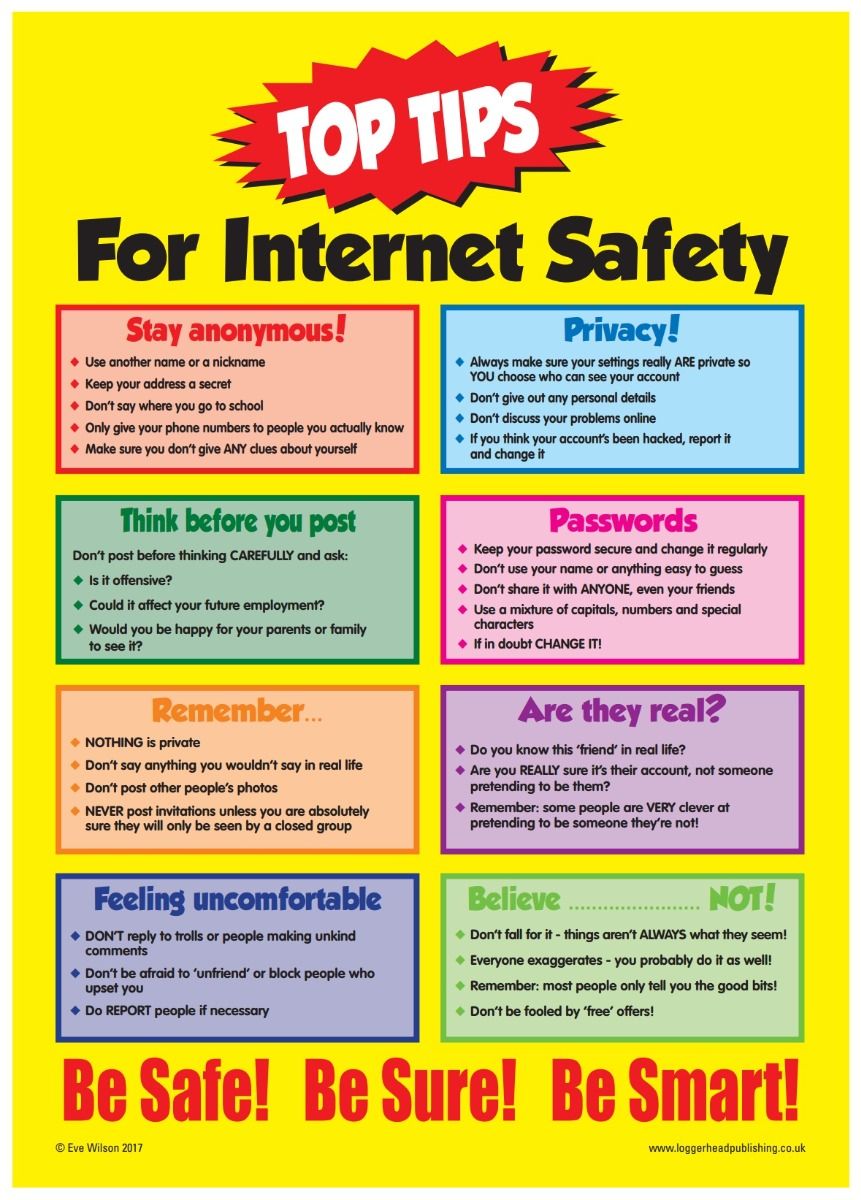
1. Use Strong, Unique Passwords
One of the most basic yet essential steps in securing your online presence is using strong and unique passwords for each of your accounts. Avoid using obvious choices like your name, birthdate, or common phrases. Instead, create complex passwords that combine letters, numbers, and symbols.
Tips for Creating Strong Passwords:
-
Use a mix of upper and lowercase letters, numbers, and symbols.
-
Avoid using the same password for multiple accounts.
-
Enable two-factor authentication (2FA) for an added layer of protection.
2. Be Cautious with Public Wi-Fi
While public Wi-Fi networks are convenient, they are often not secure. Hackers can easily intercept data on these networks, putting your personal information at risk. To protect yourself, avoid conducting sensitive transactions, such as online banking, while on public Wi-Fi.
How to Stay Safe on Public Wi-Fi:
-
Use a Virtual Private Network (VPN) to encrypt your connection.
-
Avoid logging into important accounts like online banking or shopping accounts when on public Wi-Fi.
-
Always disconnect from the network after finishing your online activities.
3. Keep Your Software Up to Date
Cybercriminals often exploit vulnerabilities in outdated software. Regularly updating your operating system, browsers, and apps ensures you are protected against the latest threats.
Why Software Updates Are Important:
-
Fix security flaws: Updates often contain patches for known vulnerabilities.
-
Enhance performance: Updates can also improve the speed and functionality of your devices.
-
Protect against malware: Many updates include protections against malware and viruses.

4. Be Careful with Email Links and Attachments
Phishing attacks often occur through email, where attackers impersonate trusted sources to steal your personal information. It’s essential to be cautious when opening email attachments or clicking on links, especially if the email seems suspicious.
How to Spot Phishing Emails:
-
Check the sender’s email address: Make sure it matches the official domain of the company.
-
Look for spelling or grammar errors in the email.
-
Avoid clicking on links in unsolicited emails. Instead, go directly to the website.
5. Enable Two-Factor Authentication (2FA)
Two-factor authentication adds an extra layer of security to your accounts. With 2FA, even if someone steals your password, they cannot access your account without the second factor, which could be a code sent to your phone or email.
Benefits of Two-Factor Authentication:
-
Extra layer of protection for your accounts.
-
Minimizes the risk of unauthorized access, even if your password is compromised.
-
Easy to set up on most platforms, including Facebook, Gmail, and TikTok.
6. Avoid Oversharing Personal Information
We often share personal details online, whether it’s on social media, in emails, or on websites. However, oversharing can make you vulnerable to identity theft and scams. Be mindful of the information you post and share online.
What to Avoid Sharing:
-
Full name, address, and phone number.
-
Financial details, including bank account numbers and credit card information.
-
Personal schedules or routines that could expose your whereabouts.
7. Regularly Monitor Your Accounts
Regularly checking your online accounts can help you detect any suspicious activity early. If you notice any unfamiliar logins or unauthorized transactions, it’s crucial to act quickly by changing your passwords and alerting the relevant authorities.
What to Monitor:
-
Bank and credit card accounts for unusual transactions.
-
Social media accounts for suspicious posts or messages.
-
Email accounts for unrecognized logins or new account activity.

8. Protect Your Devices with Antivirus Software
Antivirus software is essential in safeguarding your devices from malware, spyware, and other harmful software. It helps detect, block, and remove threats that could compromise your personal data.
Benefits of Antivirus Software:
-
Real-time protection against viruses and malware.
-
Automatic updates to keep you safe from new threats.
-
Increased device performance by removing unwanted files and threats.
9. Stay Safe on Social Media
Social media platforms are a great way to stay connected, but they also pose risks. It’s important to manage your privacy settings and be cautious about what you share online.
Social Media Safety Tips:
-
Set your accounts to private to control who can see your posts.
-
Avoid sharing your location in real-time to protect your privacy.
-
Be cautious about accepting friend requests from unknown individuals.
10. Beware of Fake Websites and Scams
Cybercriminals often create fake websites that look like legitimate ones in order to steal your personal information. Before entering any personal or financial details, always verify that the website is genuine.
How to Spot Fake Websites:
-
Look for “https” in the website URL and a padlock symbol.
-
Check for spelling or grammatical errors on the website.
-
Read reviews and check the website’s reputation before making purchases.
Conclusion
Online safety is a critical concern for everyone, whether you’re using Facebook, Zalo, Telegram, or any other platform. By following these top online safety tips, you can significantly reduce your risk of falling victim to cybercrimes. At DUYTHIN.DIGITAL, we understand the importance of both security and productivity. Our automation tools are designed to streamline your digital activities while ensuring that your personal data remains safe.
Stay vigilant, update your software, and use strong passwords to protect your online presence today.
FAQs
Q1: What is the best way to create a strong password?
A1: A strong password combines upper and lower case letters, numbers, and symbols. It should be at least 12 characters long and be unique for each account.
Q2: How do I know if a website is safe?
A2: Look for “https” in the URL and check for a padlock symbol in the browser’s address bar. Also, read reviews and research the website’s reputation before providing personal information.
Q3: What is two-factor authentication?
A3: Two-factor authentication (2FA) is an additional security layer that requires two forms of identification before granting access to your account. It often involves a password and a code sent to your phone or email.

