


Best Online Marketplaces: Where to Sell in 2023
In the ever-evolving digital landscape, online marketplaces have become essential platforms for businesses and entrepreneurs. These platforms allow sellers to reach millions of potential buyers across the globe, offering a vast range of products and services. Whether you’re a startup or an established brand, selling on the right online marketplace can significantly boost your visibility and sales. In this article, we’ll explore the best online marketplaces to sell in 2023 and help you decide where to focus your efforts.
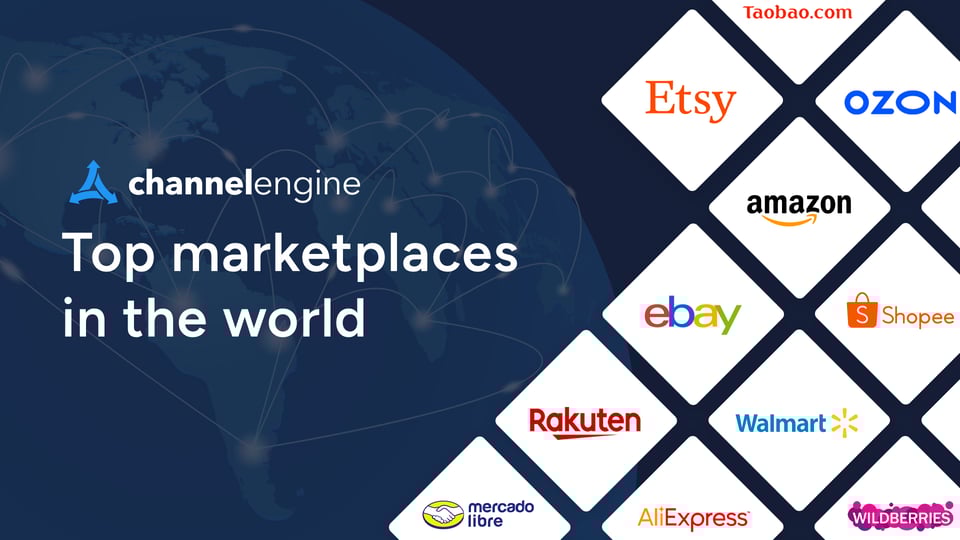
Why Sell on Online Marketplaces?
Selling through online marketplaces provides a variety of benefits that are hard to ignore. Here are some key advantages:
-
Built-in Audience: Marketplaces like Amazon and eBay already have millions of active users, so you don’t have to spend as much time or money on attracting visitors to your store.
-
Global Reach: Marketplaces often have international reach, allowing you to sell to customers from various countries without needing to establish a global presence.
-
Simplified Logistics: Many marketplaces handle storage, shipping, and customer service, giving you more time to focus on product creation and marketing.
Overall, using marketplaces can be a smart way to scale your business, especially if you’re just starting out or want to expand your customer base quickly.
Top Online Marketplaces to Sell On in 2023
1. Amazon
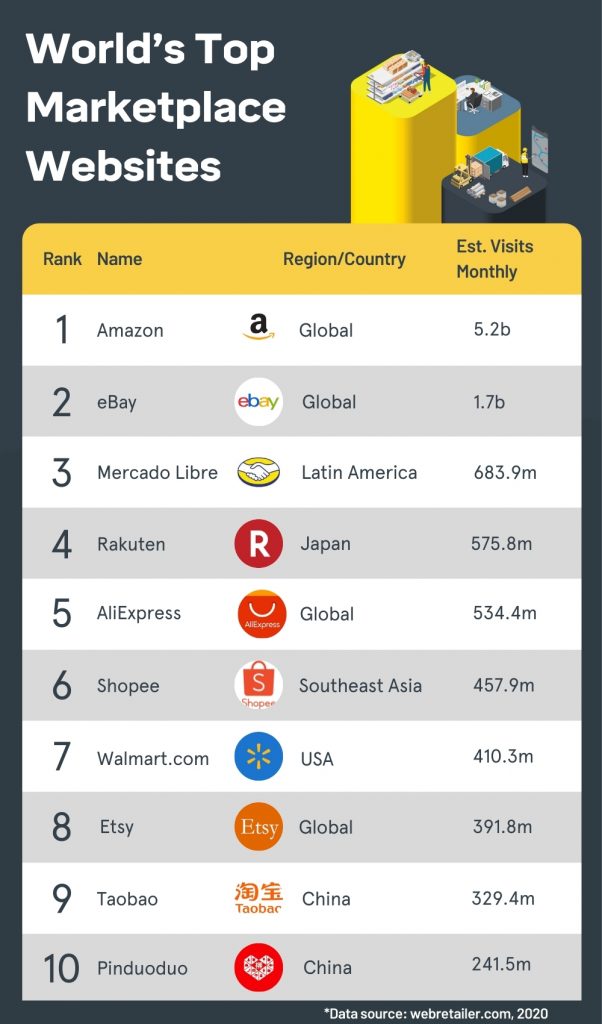
Undoubtedly the largest online marketplace, Amazon is a go-to platform for sellers worldwide. With over 300 million active customer accounts, Amazon offers a massive pool of potential buyers for almost any product. Whether you’re selling physical goods, digital downloads, or services, Amazon can help you reach a global audience.
Key benefits:
-
Global Marketplace: Amazon operates in dozens of countries, making it easy to sell internationally.
-
Fulfillment by Amazon (FBA): Amazon handles warehousing, packing, and shipping, allowing you to focus on growing your business.
-
Trust Factor: Buyers trust Amazon’s secure payment system and customer service, which can increase your chances of making sales.
2. eBay
If you’re looking to sell used items or unique products, eBay is one of the best online marketplaces for you. Known for auctions and second-hand goods, eBay also has fixed-price listings, making it suitable for both collectors and everyday sellers.
Key benefits:
-
Auction & Fixed Price: You can choose how you want to sell your products—via auction or at a fixed price.
-
Global Reach: eBay offers international shipping and access to a global customer base.
-
Seller Tools: eBay provides several tools to help sellers manage inventory, track sales, and optimize their listings.
3. Etsy
If you’re in the business of selling handmade, vintage, or crafts products, Etsy is the perfect online marketplace for you. Known for its creative community, Etsy allows sellers to showcase unique and artisanal products. It’s a platform where buyers come specifically for one-of-a-kind items.
Key benefits:
-
Niche Audience: Etsy is known for attracting customers interested in personalized and handcrafted items.
-
Easy Setup: Etsy’s platform is easy to navigate and simple to use, even for new sellers.
-
Global Audience: Etsy is accessible to customers around the world, allowing you to expand your reach quickly.
4. Walmart Marketplace
In recent years, Walmart has expanded its online presence to compete with Amazon. With over 120 million unique visitors each month, Walmart Marketplace provides a strong alternative for online sellers, especially those selling consumer products.
Key benefits:
-
Reputable Brand: As a well-known brand, Walmart provides a sense of trust and credibility.
-
Large Customer Base: Walmart’s vast customer base can help sellers increase visibility.
-
Competitive Fees: Walmart offers relatively low fees compared to other major platforms.
5. AliExpress
For global sellers, AliExpress is a top marketplace, particularly for those in the e-commerce dropshipping business. Known for offering a wide range of affordable products, AliExpress connects suppliers primarily from China with buyers worldwide.
Key benefits:
-
Low-Cost Products: AliExpress is great for sourcing cheap products that can be sold at a markup.
-
Global Market: With buyers around the world, AliExpress offers a significant global reach.
-
Dropshipping Model: AliExpress makes it easy for dropshippers to find suppliers and sell without holding inventory.
6. Shopify (for Your Own Online Store)
While Shopify isn’t a traditional marketplace, it allows you to create your own e-commerce website and integrate with various marketplaces like Amazon, eBay, and Etsy. This platform is ideal for those who want complete control over their brand and store.
Key benefits:
-
Full Control: You can fully customize your store’s appearance and user experience.
-
Multiple Sales Channels: Shopify integrates seamlessly with other marketplaces and social media platforms, expanding your reach.
-
Scalable: As your business grows, Shopify’s features can scale to meet your needs.

7. Rakuten
Rakuten is Japan’s largest e-commerce platform and offers a significant market for sellers, especially those targeting Asian consumers. Rakuten also allows international sellers to access the Japanese market.
Key benefits:
-
Japanese Market Access: Rakuten gives you direct access to a massive consumer market in Japan.
-
Loyalty Program: Rakuten’s rewards program encourages repeat buyers, which can help boost customer retention.
-
Less Competition: Compared to Amazon and eBay, Rakuten has fewer sellers, giving you a better chance to stand out.
8. Newegg
For those in the technology or electronics niche, Newegg is a prime marketplace. Known for computer parts, gadgets, and gaming equipment, Newegg offers a great platform for tech enthusiasts and sellers in the electronics industry.
Key benefits:
-
Targeted Audience: Newegg attracts tech-savvy buyers looking for electronics and gadgets.
-
Strong Support: Newegg provides excellent seller support and resources.
-
B2B Opportunities: Newegg also offers a platform for B2B (business-to-business) sales.
How to Choose the Best Marketplace for Your Business
Choosing the right online marketplace can be overwhelming, but it’s crucial to find one that aligns with your business model. Here are a few tips to help you choose:
-
Know your target market: Understand where your ideal customers are most likely to shop.
-
Evaluate fees: Each marketplace has its own fee structure. Consider transaction fees, listing fees, and shipping costs.
-
Consider your product type: Some marketplaces are better suited for specific products (e.g., Etsy for crafts, Newegg for electronics).
Conclusion
The world of online marketplaces offers a wealth of opportunities for sellers, but choosing the right one can make all the difference. Whether you’re selling physical products, digital goods, or services, each marketplace has its strengths and target audiences. By understanding your business needs and customer demographics, you can select the platform that best fits your goals.
Start selling today, whether through Amazon, Etsy, or Walmart Marketplace, and take advantage of the growing demand for online shopping in 2023. With the right approach and tools, you can scale your business and reach customers around the world.
Frequently Asked Questions (FAQs)
1. Which marketplace is best for beginners?
Amazon and Etsy are great platforms for beginners due to their user-friendly setup and massive customer base.
2. How do I stand out in a crowded marketplace?
To stand out, optimize your product listings with high-quality images, compelling descriptions, and competitive pricing. Consistent branding and excellent customer service will also help.
3. Can I sell on multiple marketplaces at once?
Yes, many sellers successfully sell on multiple marketplaces. Using tools like DUYTHIN.DIGITAL for automation can help streamline your operations across platforms.
4. What fees should I expect when selling on marketplaces?
Fees vary by marketplace but typically include listing fees, transaction fees, and sometimes subscription fees. Be sure to check each platform’s fee structure before committing.

