


Best Online Software: A Comprehensive Guide to the Leading Tools in 2025
The digital world is evolving at an incredible pace, and so is the software that helps businesses succeed online. Whether you’re a small startup or an established enterprise, choosing the best online software can significantly enhance your efficiency, productivity, and overall success. From training software to automation tools, the right software solutions can transform your business operations.

Why Invest in Online Software?
Investing in the right online software can offer numerous benefits to businesses. It helps streamline operations, save time, and boost productivity by automating repetitive tasks. Additionally, many tools provide insights and analytics that are crucial for data-driven decision-making. Whether you’re looking to improve marketing efforts, enhance customer service, or optimize internal processes, online software has a solution for almost every business need.
Benefits of Using Online Software:
-
Increased Efficiency: Automates routine tasks such as scheduling posts, customer follow-ups, and content management.
-
Cost-Effective: Many online software solutions are subscription-based, which reduces the need for significant upfront investments.
-
Scalability: Software platforms are flexible and can grow with your business, offering additional features as your needs expand.
-
Real-Time Updates: Cloud-based software ensures that you always have access to the latest version, making updates seamless.
Top Online Software for 2025
There are countless online software options available today, each offering unique features that can be beneficial depending on your business needs. Below are the top online software solutions that every business should consider.
1. Customer Relationship Management (CRM) Software
CRM software helps businesses manage and analyze customer interactions and data. This type of software ensures that your company provides excellent customer service, enhances relationships, and improves sales strategies.
-
Sales Pipeline Management: Track potential leads and customers throughout their journey.
-
Customer Insights: Understand your customers better with detailed analytics.
-
Automation: Automate follow-up emails and notifications to keep customers engaged.
CRM tools like HubSpot and Salesforce offer excellent functionalities that can enhance both sales and customer service efforts. These tools are essential for businesses looking to scale effectively.
2. Project Management Software
Managing projects efficiently is key to the success of any business. Project management software allows teams to collaborate effectively, track progress, and meet deadlines without missing a beat.
-
Task Assignment: Assign tasks to team members with clear deadlines and priorities.
-
Collaboration: Share files, communicate with teammates, and track progress in one place.
-
Time Tracking: Monitor how much time each task takes, ensuring productivity is maximized.
Tools like Trello and Asana help teams organize projects and stay on track, making them perfect for businesses that need to streamline their project management.
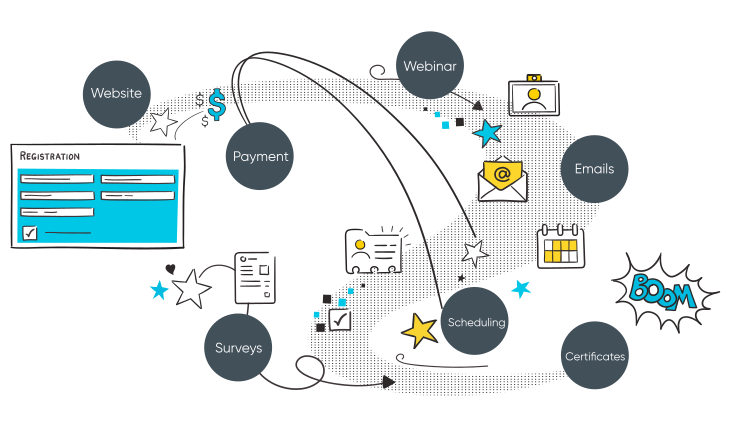
3. Online Training Software
Training software has become a game-changer for businesses aiming to educate their teams and customers more effectively. Online training platforms allow you to deliver courses, track progress, and manage content seamlessly.
-
Course Creation: Build custom courses with videos, quizzes, and other educational content.
-
Tracking and Analytics: Monitor learner progress and provide feedback in real-time.
-
Interactive Features: Engage learners with features such as gamification and social learning.
Platforms like LearnUpon and Moodle provide flexible solutions for both employee training and customer education, making them ideal for businesses looking to upskill their workforce.
4. Social Media Management Software
Social media has become a crucial element of any business’s marketing strategy. Social media management software helps businesses schedule posts, engage with their audience, and analyze performance across various platforms like Facebook, Instagram, and Twitter.
-
Scheduling Posts: Automate posting across multiple platforms at the optimal times.
-
Analytics: Measure engagement, clicks, and conversions to optimize social media strategies.
-
Community Management: Monitor mentions, comments, and messages, allowing you to respond promptly.
Tools like Hootsuite and Buffer make social media management easier, allowing businesses to maintain a consistent and effective online presence.
5. Email Marketing Software
Email marketing remains one of the most effective ways to nurture customer relationships and drive conversions. With email marketing software, businesses can automate their email campaigns, track their performance, and engage customers with personalized content.
-
Automation: Set up email sequences for welcome emails, follow-ups, and promotions.
-
Segmentation: Tailor content based on customer behavior, location, and preferences.
-
Analytics: Track open rates, click-through rates, and conversions to fine-tune email strategies.
Mailchimp and ConvertKit are popular choices for email marketing, providing businesses with the tools they need to execute successful campaigns.

6. Automation Tools for Marketing
Automation tools are essential for streamlining and optimizing various aspects of your marketing efforts. These tools can automate social media posts, email campaigns, and even customer service interactions, saving time and ensuring consistency.
-
Lead Generation: Automatically collect leads from forms, landing pages, and social media.
-
Campaign Management: Set up automated email or ad campaigns for specific customer segments.
-
Analytics: Track campaign performance and adjust strategies accordingly.
Platforms like Zapier and Marketo are powerful automation tools that integrate with various software, allowing businesses to manage complex workflows with ease.
7. Website Analytics Software
Knowing how your website is performing is critical to improving user experience and increasing conversions. Website analytics software provides businesses with detailed data on website traffic, user behavior, and conversion rates.
-
Traffic Analysis: Monitor where visitors are coming from, what pages they visit, and how long they stay.
-
Conversion Tracking: Track specific goals such as form submissions, downloads, and purchases.
-
User Experience Insights: Identify any bottlenecks or issues on your website that could be impacting user experience.
Google Analytics is the most widely used tool in this category, offering deep insights into website performance and user engagement.
How to Choose the Right Online Software for Your Business
When selecting the best online software for your business, consider these factors:
-
Business Needs: Identify which areas of your business need the most improvement—whether it’s customer management, project tracking, or marketing.
-
Scalability: Choose software that can grow with your business and adapt to your changing needs.
-
Ease of Use: Ensure the software is user-friendly and integrates well with your existing systems.
-
Cost: Consider your budget and evaluate the pricing structure of each software tool.
By evaluating your business goals and operational needs, you can find the software that best suits your requirements.
FAQs About Online Software
1. What is the best online software for small businesses?
The best online software for small businesses includes tools like Trello for project management, Mailchimp for email marketing, and HubSpot for CRM. These tools are cost-effective and scalable for growing businesses.
2. Can automation tools help improve my marketing efforts?
Yes, automation tools can streamline and optimize your marketing efforts by automating repetitive tasks like email campaigns, social media posts, and lead nurturing, freeing up time for more strategic tasks.
3. How do I choose the best software for my team?
When choosing the best software, consider your team’s needs, the software’s ease of use, its scalability, and whether it integrates well with your existing systems.
4. Are there free online software options available?
Yes, many online software tools offer free versions or trials. Popular free tools include Mailchimp (for email marketing), Trello (for project management), and Google Analytics (for website analytics).
5. How secure is my data with online software?
Most reputable online software providers use encryption and follow industry standards to ensure the security of your data. However, always read the provider’s privacy policy and terms of service before committing.
Conclusion
The best online software can dramatically improve your business operations, from enhancing customer relationships to automating marketing tasks and managing projects. Whether you choose CRM tools, email marketing software, or automation platforms, there are numerous solutions that can help streamline your processes and boost your efficiency. At DUYTHIN.DIGITAL, we specialize in providing automation tools for platforms like Facebook, Zalo, and TikTok, empowering businesses to take their digital marketing efforts to the next level.
By carefully selecting the right software, you can unlock new opportunities for growth and success in the digital world.

